VILLA 63
Residential Building
Project Location: Mashhad, Iran
Role: Lead Architectural Designer | BIM Coordinator & Modeler | Municipal Permit Negotiator
Project Status: Under Construction
Period of Contribution: 01/2023 – 01/2025
Client: Private Client
Credits & Ownership: Independent, Author-owned
—Portfolio Note:
This project represents original work and is shared here for portfolio purposes. Certain drawings and details have been selectively simplified, modified, or shown in non-final form.
—Project Overview:
Villa 63 is a private residence and creative workplace in Mashhad, designed for a small family whose father is a respected folk music artist. The house serves as both a calm family sanctuary and the central hub for his professional life, accommodating music rehearsals, workshops, informal gatherings, and occasional mixed-gender artistic events. The principal challenge was to weave these two worlds, intimate domestic life and vibrant creative activity, into a single cohesive dwelling that feels generous, connected, and never compromised in either direction.

—Context & Technical challenges:
The main challenge was precisely this: weaving the two worlds inside one house. That difficulty was significantly exacerbated by the project’s location in a conservative urban setting, shaped by a deeply religious public atmosphere and strong community sensitivities. Although the clients lead a secular lifestyle, the architecture could not disregard the surrounding cultural expectations. The villa had to function as a modern artistic hub while remaining discreet and respectful toward the neighbourhood, never appearing confrontational or overly exposed.

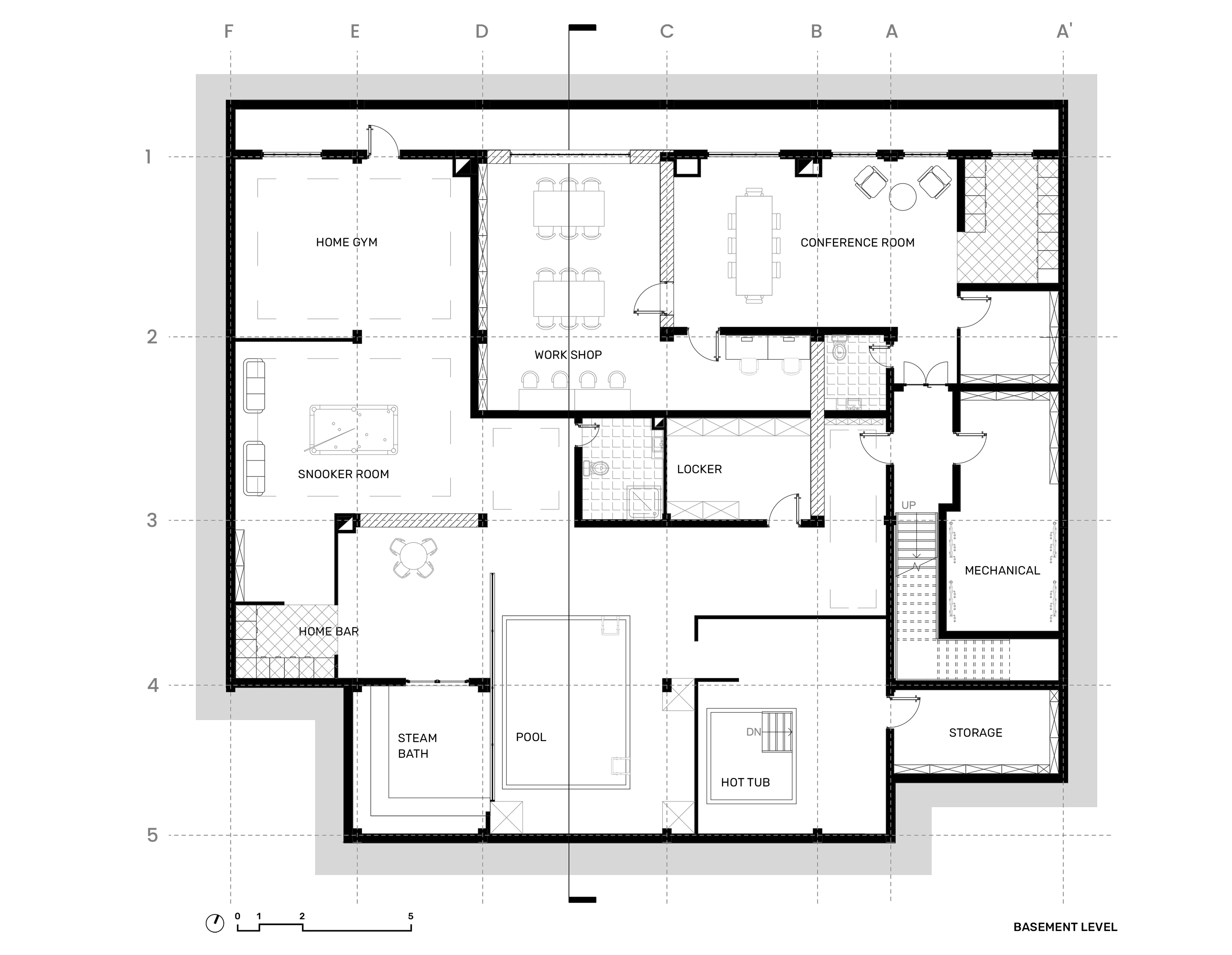
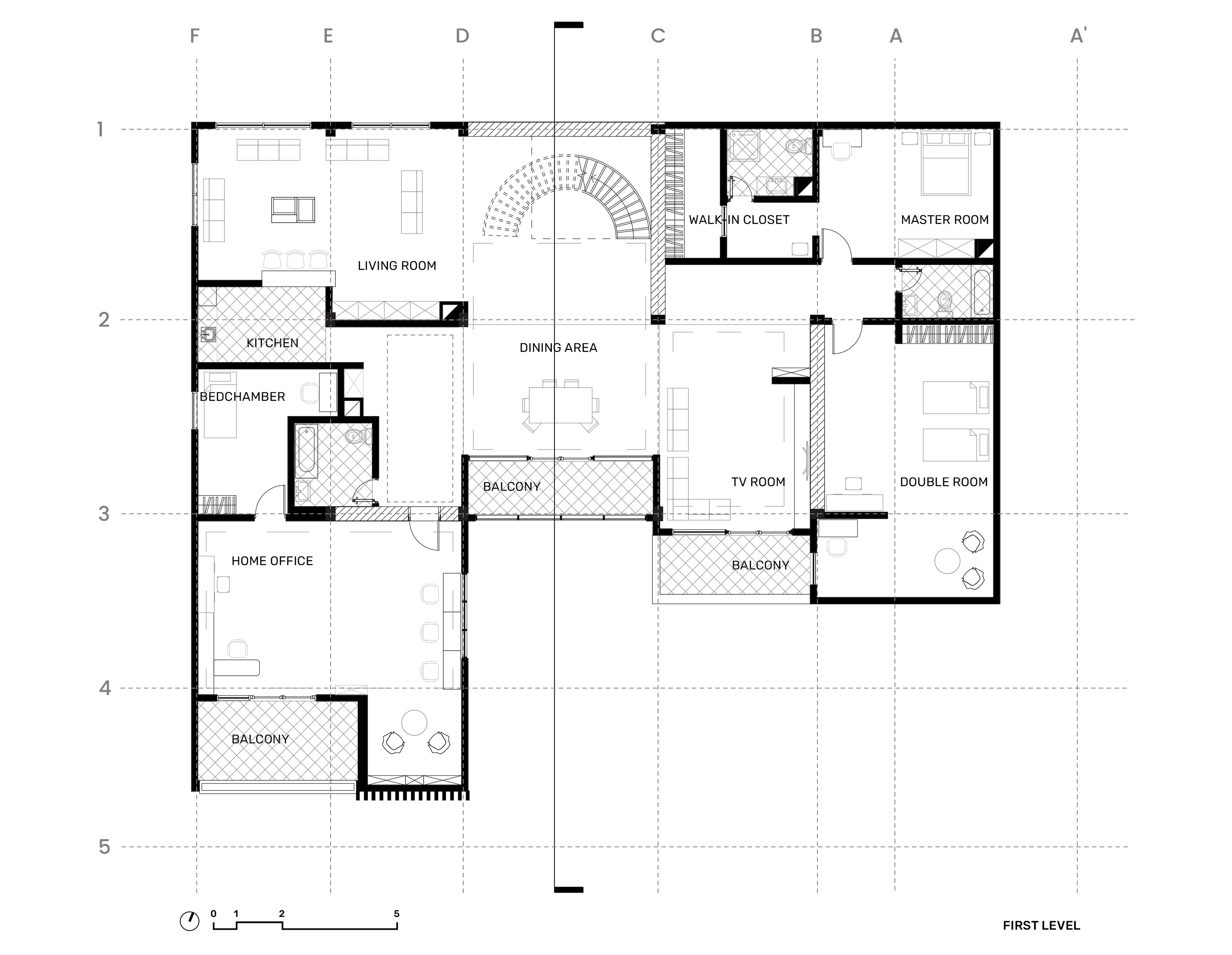
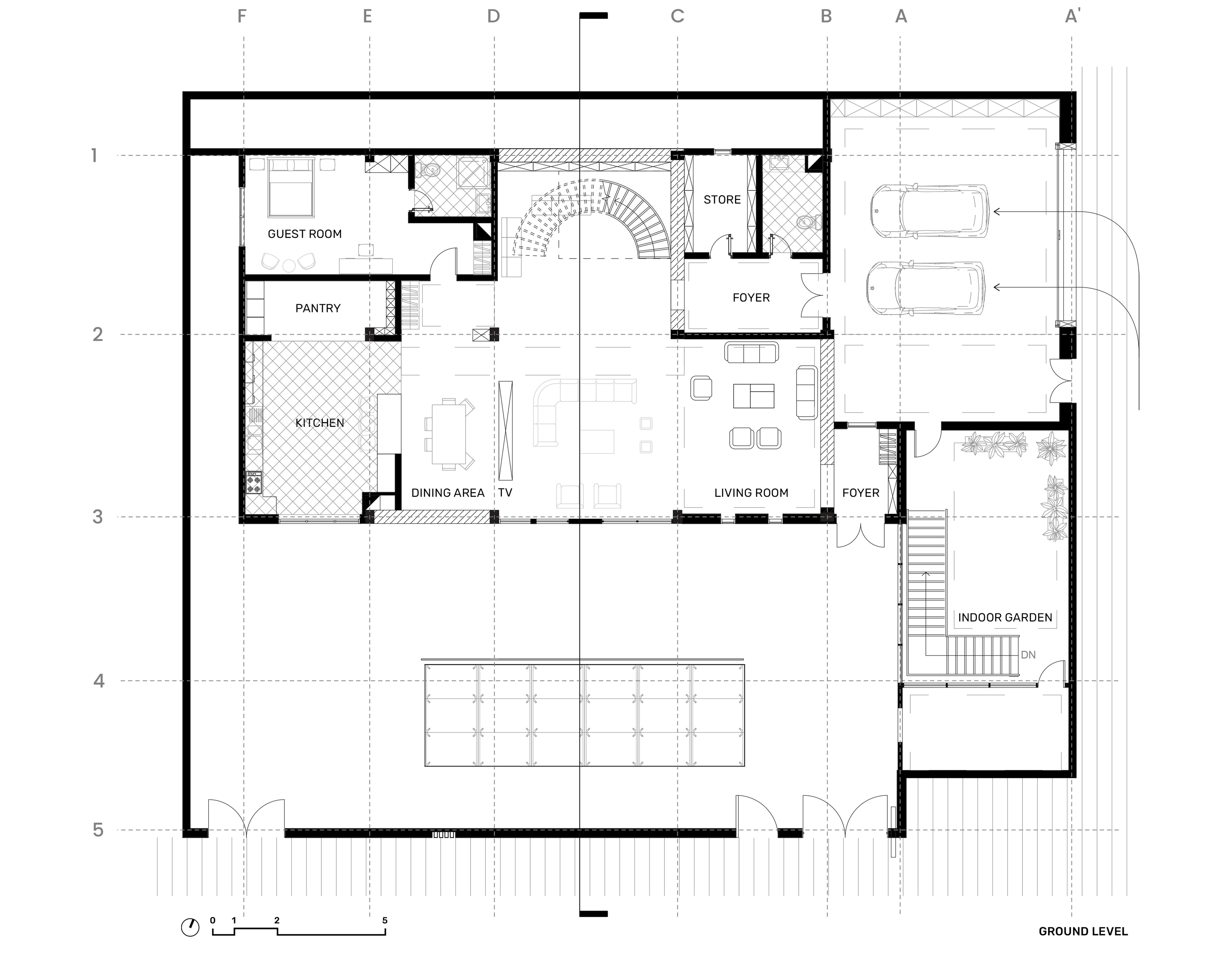
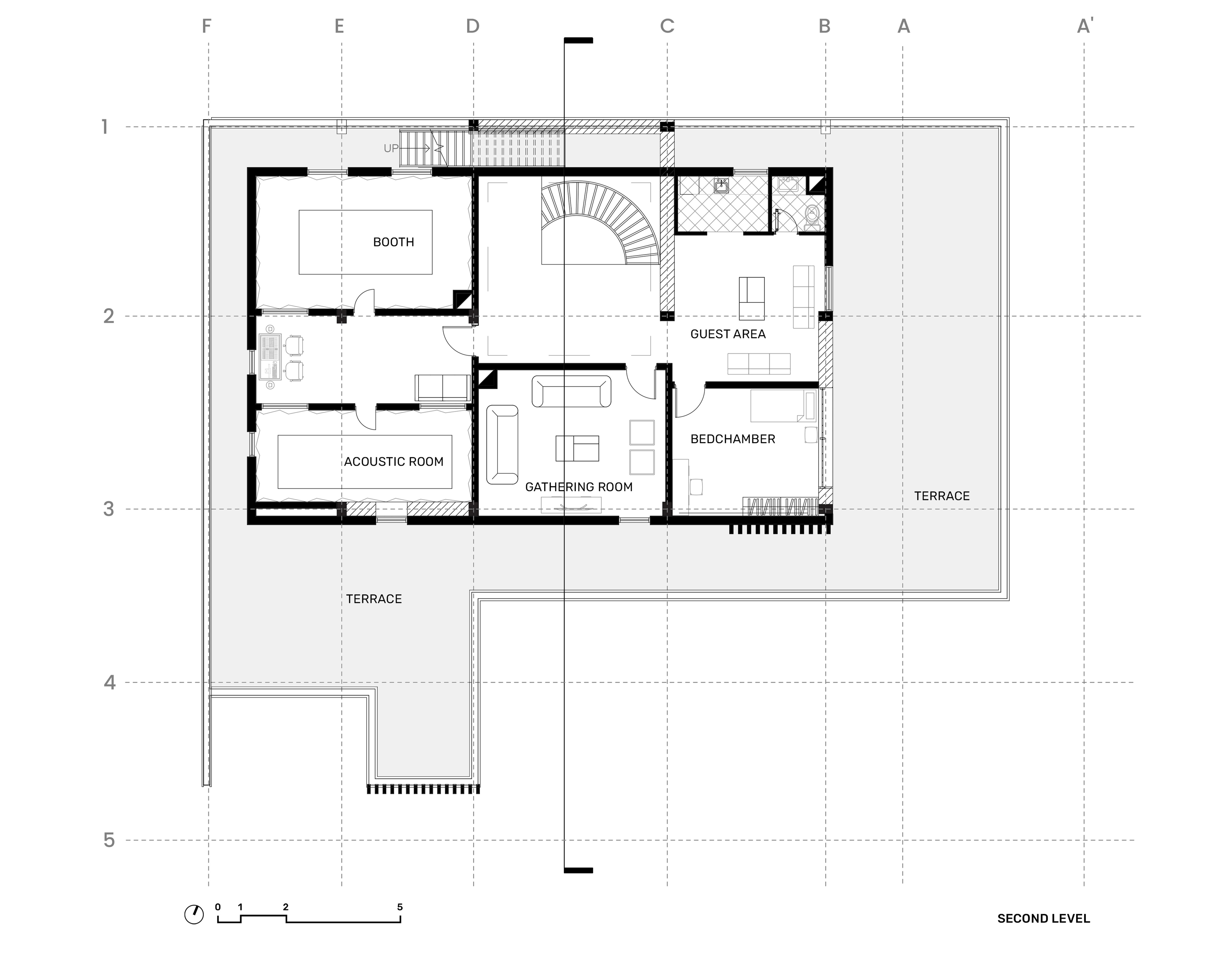
To meet these layered demands, the design relies on a strategy of carefully calibrated separation paired with controlled connectivity. Layered thresholds and transitional spaces gently manage arrival and movement, while distinct yet interlinked circulation paths allow family and guests to move through the house with appropriate independence. Introverted spatial arrangements direct most activity inward, away from the street, and precisely positioned sightlines permit chosen views and moments of connection while safeguarding privacy at every scale.
The result is a home that feels luxurious, welcoming, and alive with creative possibility. It gives the family the calm sanctuary they need, offers the artist the professional environment he requires, and quietly honours the social context it inhabits. Villa 63 ultimately succeeds by holding personal artistic freedom and thoughtful contextual intelligence in equal balance.

—Role & Modelling Scope:
Villa 63 was contracted through RENA, the firm I co-founded, where I worked full-time throughout the project. We delivered complete Revit models for architecture, structure, and MEP at medium LOD for full design development and coordination (excluding construction supervision, budgeting, and BOQ preparation). I led the architectural design, MEP modelling, overall coordination, and securing municipality permits for the building form and architecture (which involved multiple negotiation rounds due to the non-standard massing), working mostly independently with targeted input from others. My brother (co-founder, structural engineer, and BIM modeller) handled the structural model in Tekla. I coordinated with structural engineers, MEP consultants, contractors, and local authorities, and was responsible for concept development, key design decisions, material selection, and the execution approach, with structural detailing and other regulatory aspects validated by the respective engineers and authorities.

—Coordination & Collaboration:
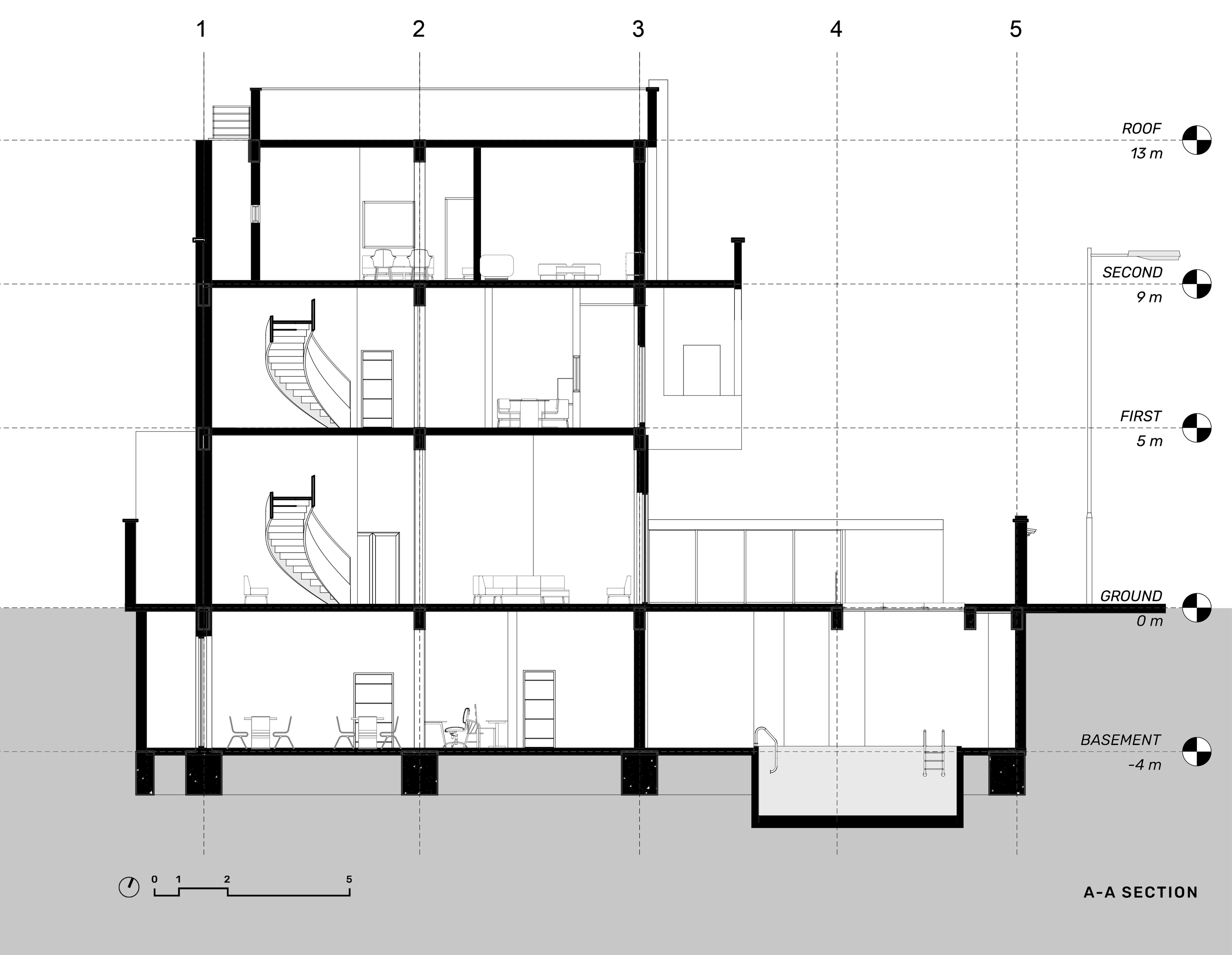
The project began with initial concept development, massing studies, and sectional explorations through quick sketches to establish the overall spatial strategy. Inputs included the client brief (which I prepared as owner), local regulation constraints, and a baseline structural model developed by my brother. Design progressed in clear stages: early ideation and form studies, iterative refinements for spatial organization and material choices, integrated detailing through Revit modeling, and preparation of construction documentation. Coordination relied on shared Revit models across architecture, structure, and MEP, regular milestone reviews, and targeted discussions with consultants. Design changes or model conflicts were identified using Revit markups and resolved through direct communication with structural engineers, MEP consultants, and contractors to maintain consistency with the intended design direction. Quality control involved internal checklists, cross-verification between models and drawings, and selective mock-ups for key façade and detail elements.
—Constraints & Responsibilities:
The main constraints stemmed from the conservative urban context, which imposed strict limits on building scale, street-facing aesthetics, projections, orientations, and overall form, as well as compliance with local building codes and municipal regulations (including rules on maximum built-up area, allowable projections, and shadowing effects on adjacent properties). Because the design deviated from standard norms in massing and form to meet the programmatic needs, securing legal approvals and permits from the municipality required multiple rounds of discussion and revisions. Although the project was a luxury residence with no tight budget or pressing time constraints, navigating these regulatory requirements became the primary challenge. Responsibilities outside my scope included specialist engineering calculations; I relied on structural engineers for detailed structural calculations and on contractors for practical execution feedback. The workflow centered on Revit for architectural and MEP modeling, Tekla for structural modeling (handled by my brother), and shared Revit-to-Excel processes for quantity take-offs and coordination.
—Deliverables & Outcome:
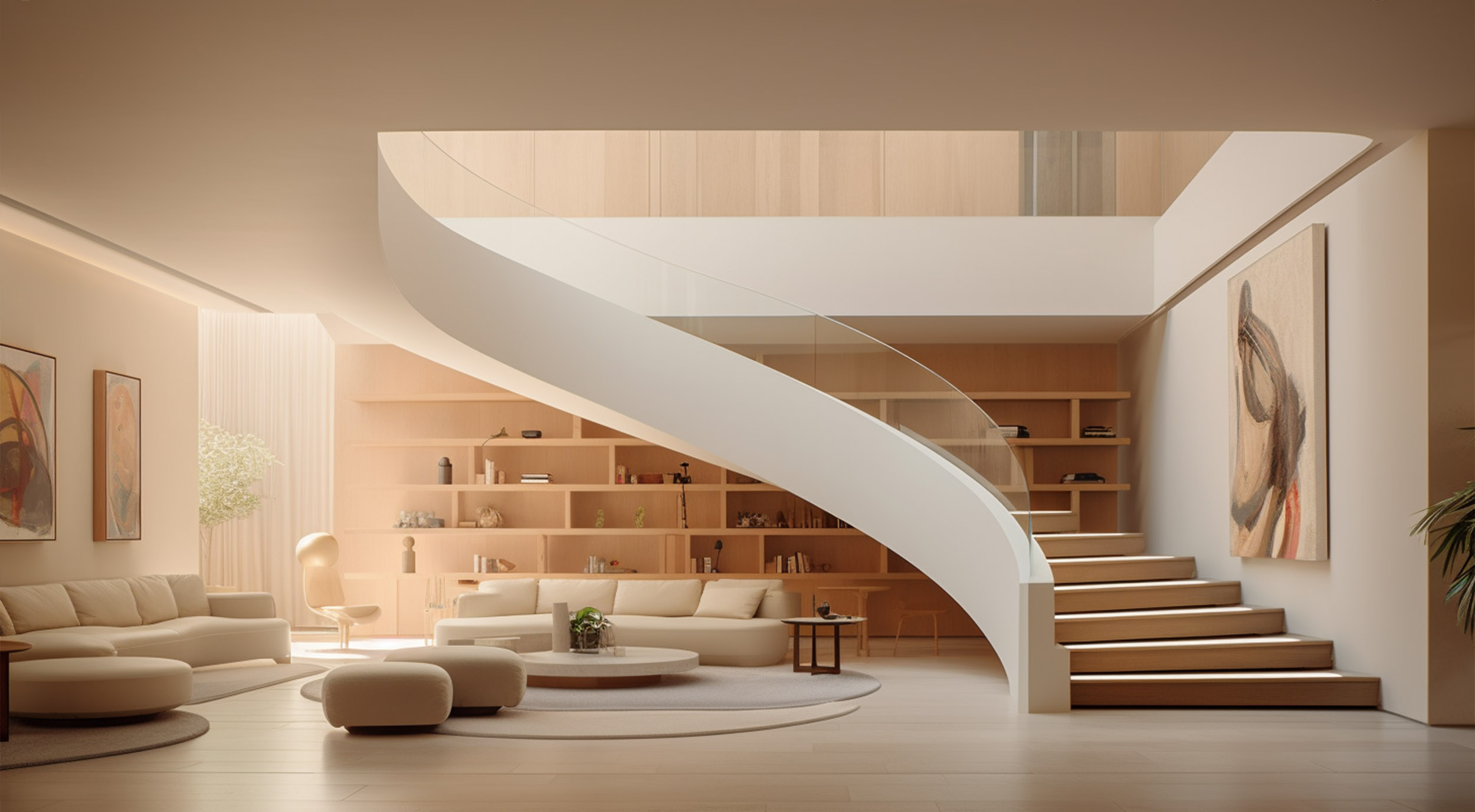
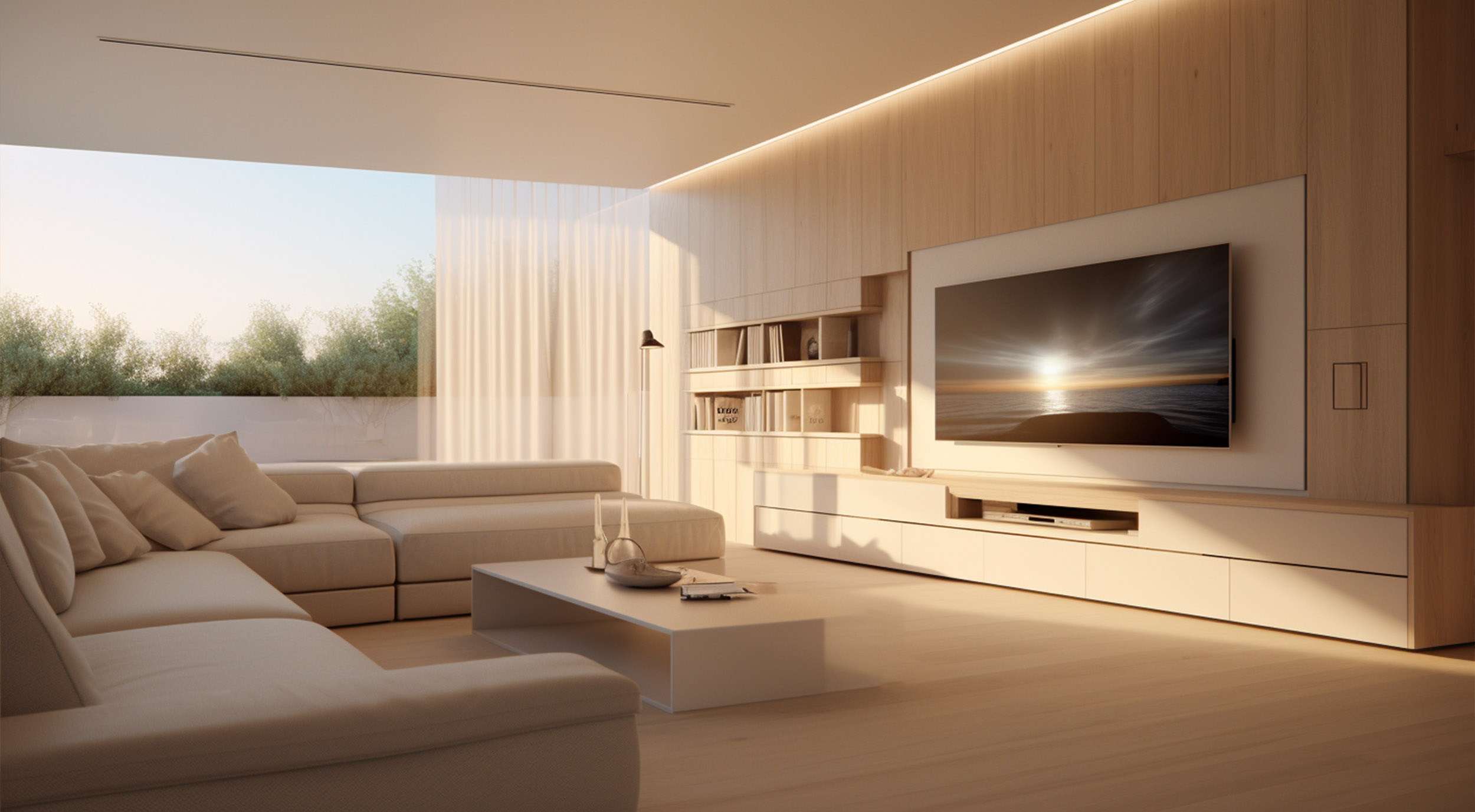
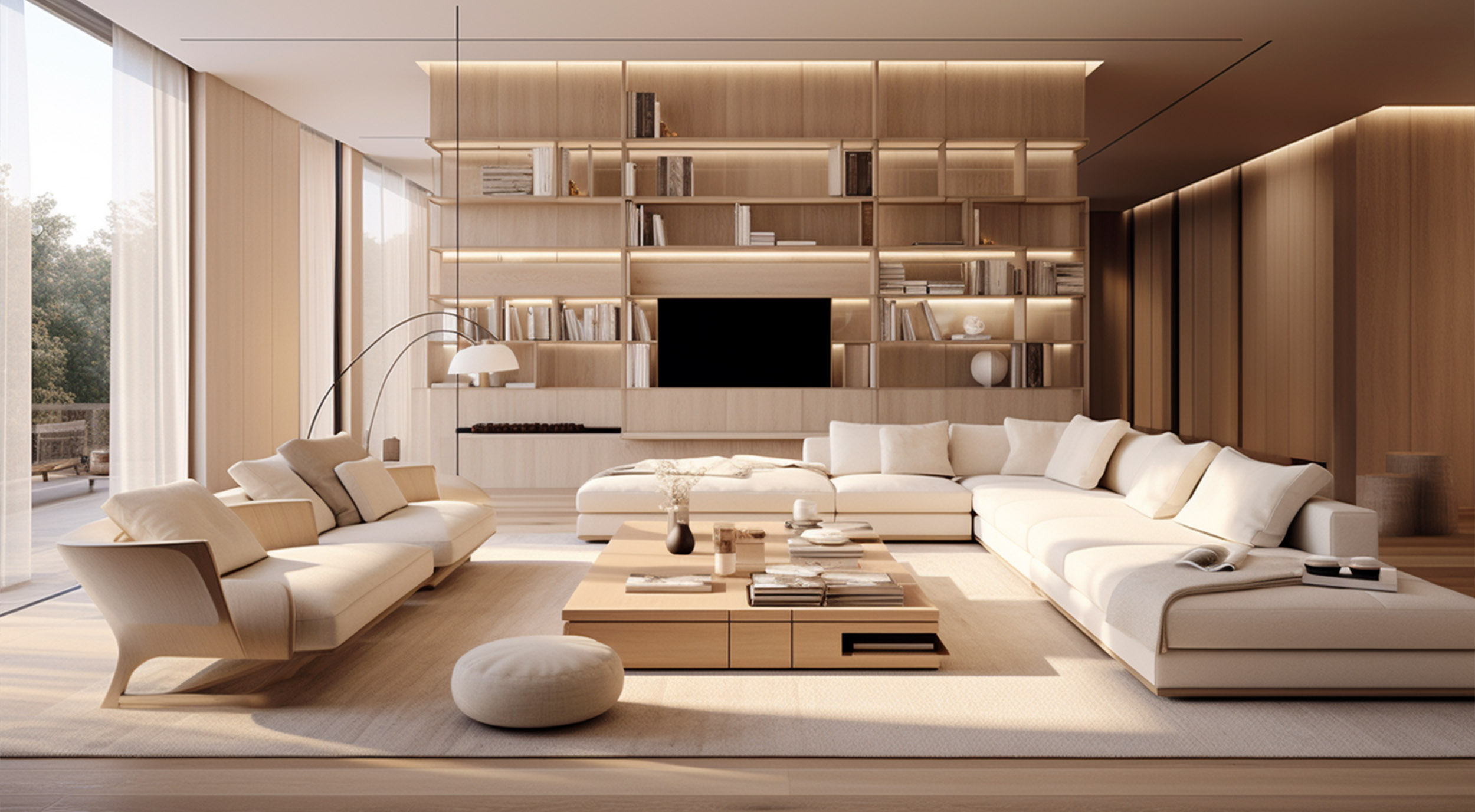
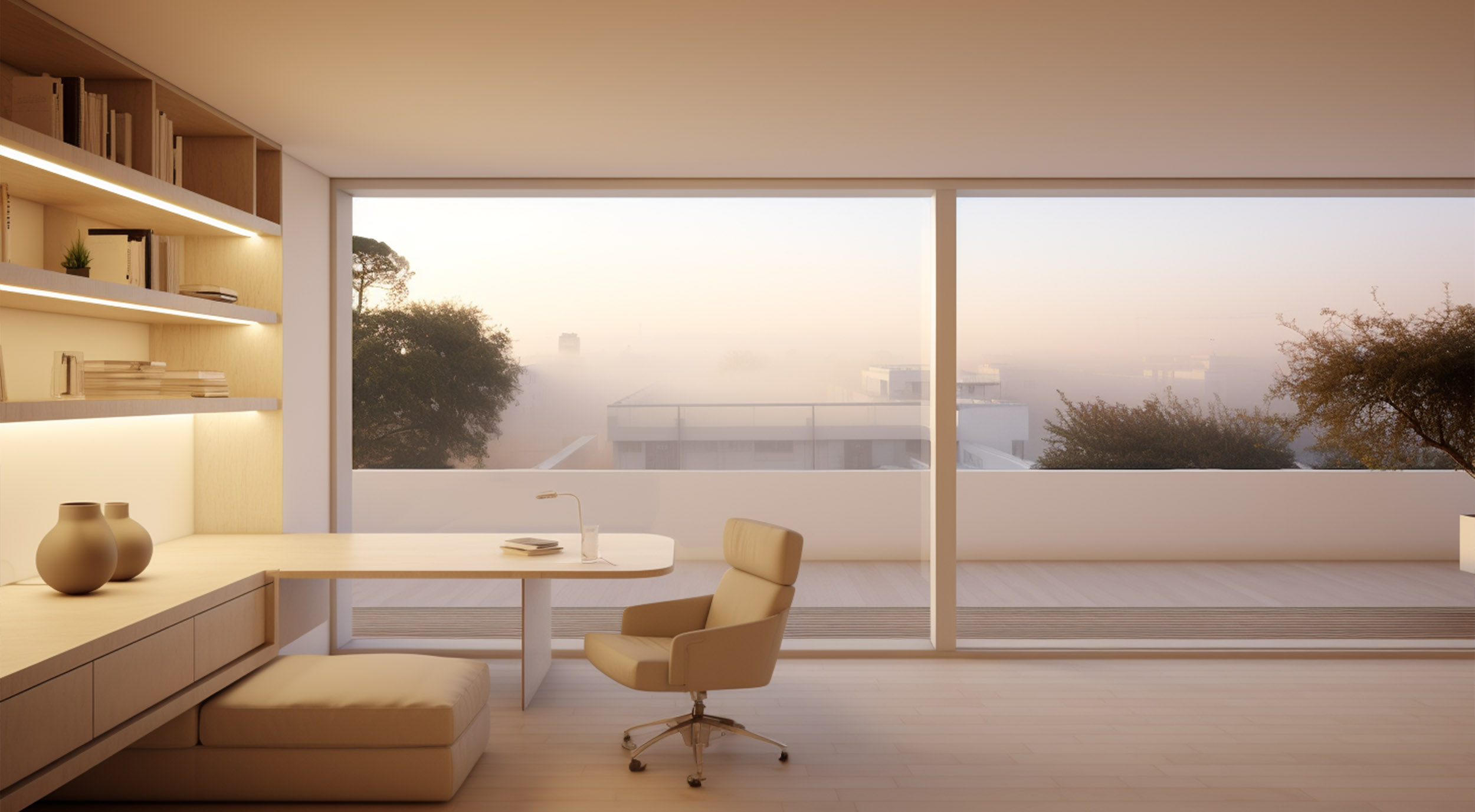
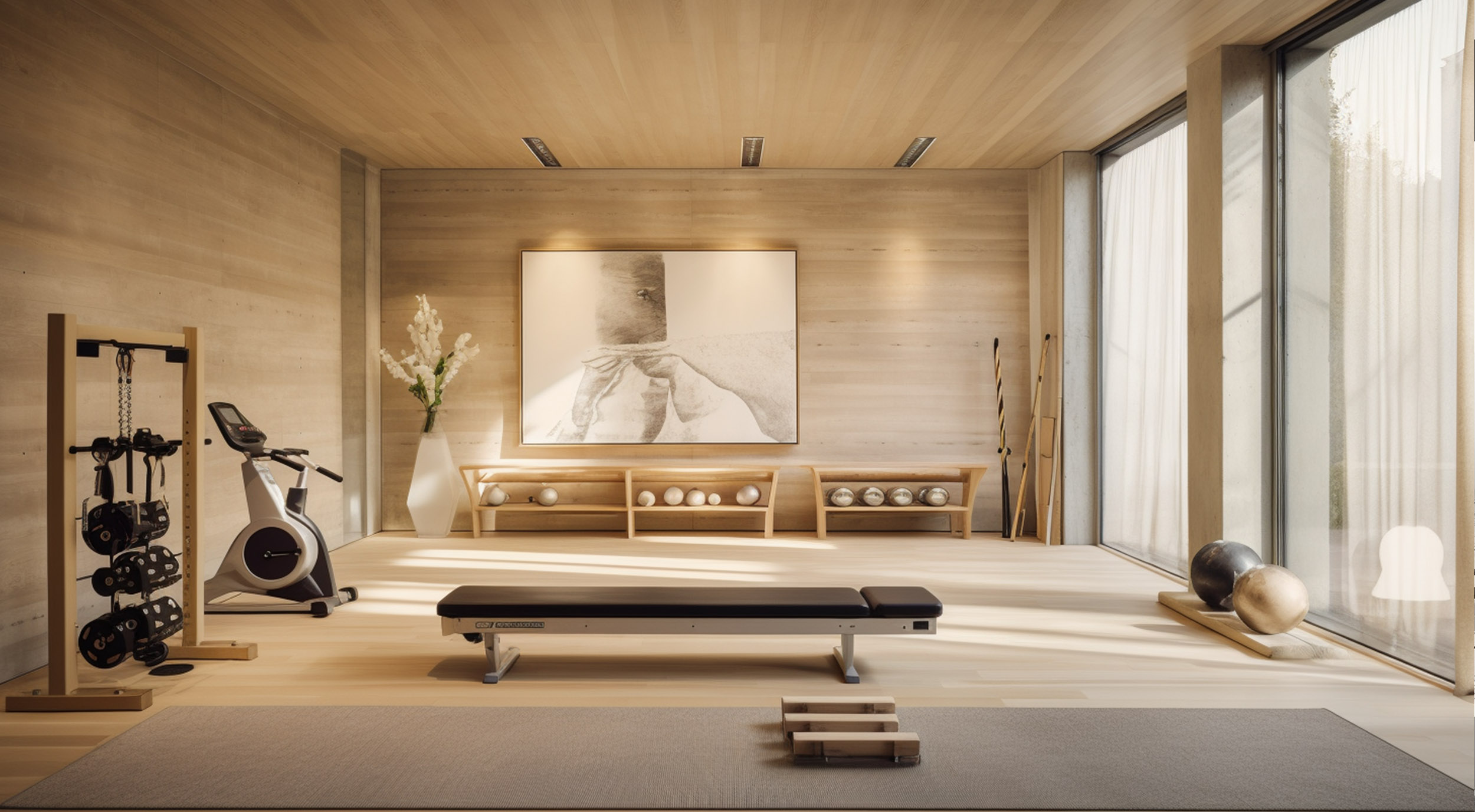
The main deliverables included early concept sketches, massing studies and sectional diagrams, fully integrated Revit models for architecture, structure, and MEP at medium LOD, complete construction drawings, detailed documentation of the building form and key spatial arrangements, high-quality realistic renderings, visualizations of exteriors and interiors, as well as supplementary communication tools such as animated flythrough sequences and VR tour explorations.
These outputs served as the primary reference for contractors and subcontractors during execution and enabled technical validations by consultants. The combination of coordinated technical documentation, clear diagrams, and advanced visual media ensured that the intended design concept (particularly the carefully shaped massing, introverted organization, and non-standard form) was effectively communicated across all disciplines. This reduced ambiguities, supported better understanding of the spatial strategy, and helped maintain alignment during construction despite the challenges of regulatory negotiations.


—Reflection & Key Learnings:
Villa 63 in Mashhad was already a big puzzle: blending the calm everyday rhythm of family life (kids around the house, online classes, pool downtime) with the full energy of a folk music workspace (rehearsals, instrument workshops, recording, gatherings that could include close friends or total strangers), all in one home, in a city where privacy and discretion carry real weight because of its conservative and deeply religious atmosphere.
The local municipality made it even tougher. They only tended to approve very ordinary, stacked-box houses with straight levels and no real freedom to play with form, projections, or anything that broke the usual pattern. That standard shape simply did not work for the programmatic needs here, so going through all the laws, codes, and regulations, plus many rounds of meetings, revisions, and careful explanations, made the whole process more challenging until the design finally got the green light.
What stayed with me is how the most interesting projects push you to weave things together instead of keeping them separate. When you start seeing family and work, private and social, ordinary rules and bold ideas, cultural caution and creative freedom as parts that can belong in the same space, something special can happen. Villa 63 showed me that patient spatial thinking and respectful persistence with the rules can turn a pile of difficulties into one surprisingly harmonious, luxurious home that feels alive and right for everyone in it. It was tiring at moments, but one of the most rewarding and eye-opening experiences I have had designing.
One small note: the project is still ongoing, so I haven’t actually received real feedback from the family yet. I’m looking forward to hearing what they think once everything is built and lived in, to find out whether all these choices really worked for them or not!